The short version
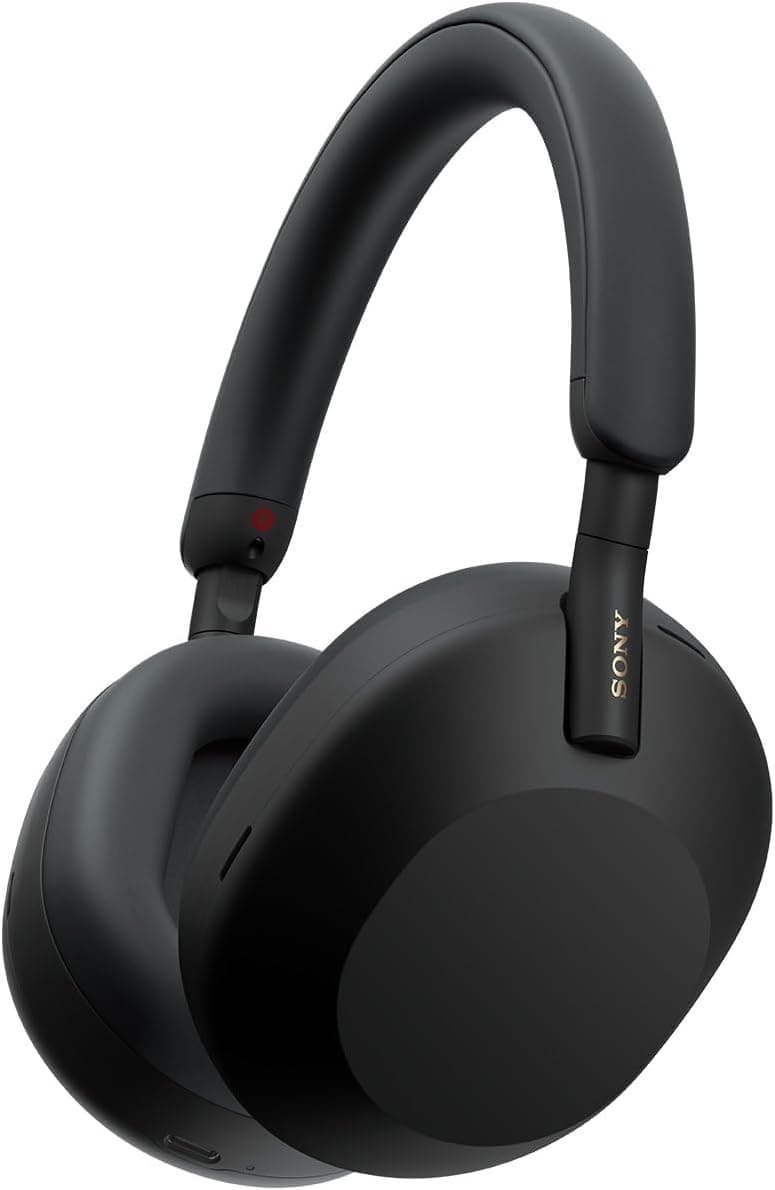
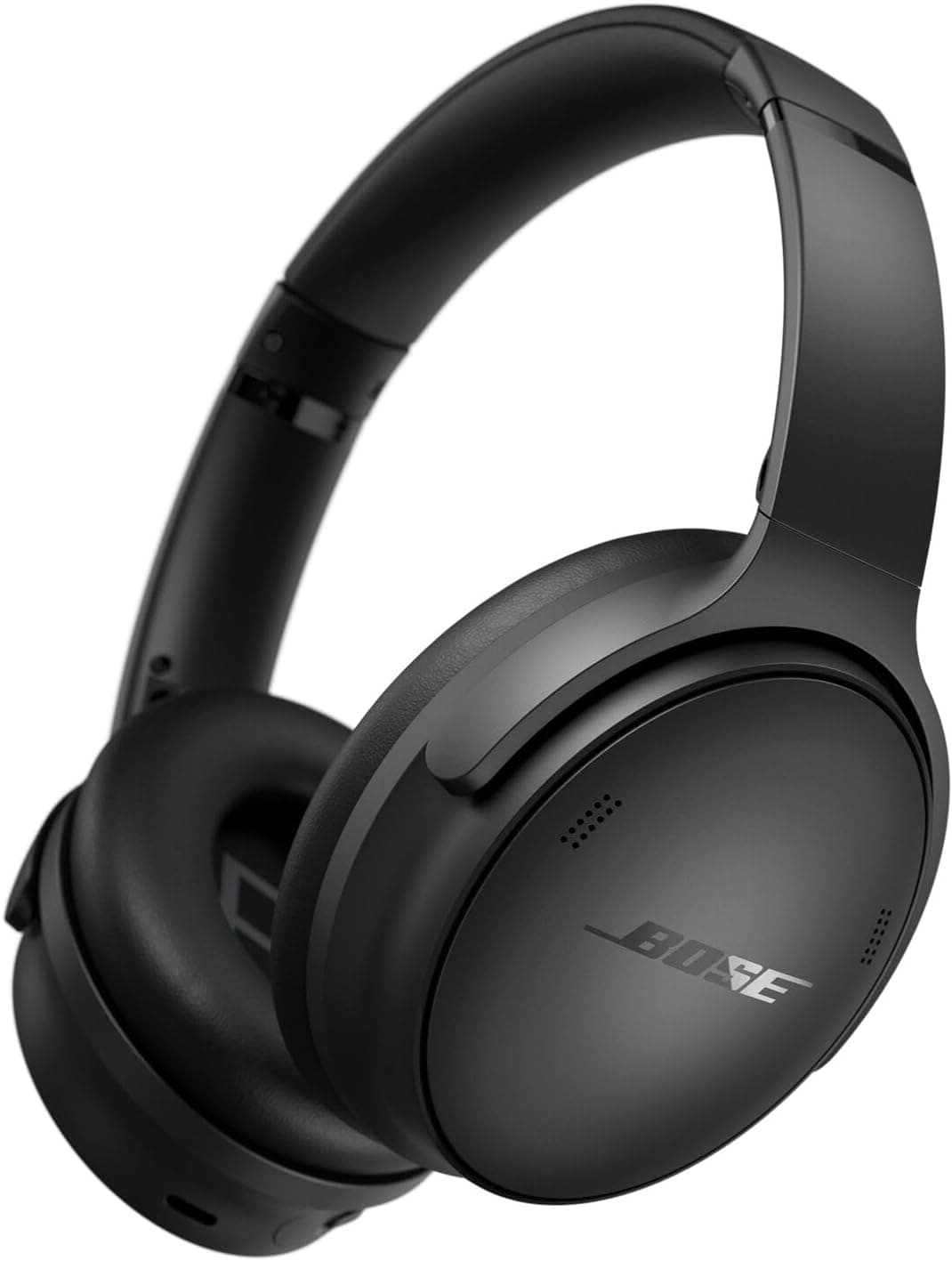
The Sony WH-1000XM5 and the Bose QuietComfort Headphones are two of the noise-cancelling over-ears people shortlist most often. Both reduce the steady drone of buses, trains and aircraft effectively, both connect to two devices at once, and both are comfortable enough for a full working day. The differences are in the details: battery life, how they pack, how you control them and which phone you use.
Note which Bose this is. The QuietComfort Headphones are Bose’s standard model, launched in 2023 as the follow-up to the QuietComfort 45, and they are not the same as the pricier QuietComfort Ultra, which adds Immersive Audio spatial sound and CustomTune calibration. This comparison is based on manufacturer specifications, published feature lists and recurring patterns in owner feedback, and both models were checked as sold and dispatched by Amazon.ie at the time of writing.
Noise cancelling
This is the closest category. Sony uses eight microphones and two processors to measure and cancel noise, and its Auto NC Optimizer adjusts cancelling to your fit and surroundings. Bose combines active noise cancelling with the passive isolation of its earcups, and the QuietComfort name has a long reputation for dealing with deep, constant noise such as aircraft cabins and diesel engines.
Owner feedback rarely describes either as clearly better overall, and for most commuters the difference is small. Neither will fully silence voices or sudden sounds; no noise-cancelling headphones do.
The approach to modes differs. Bose keeps it simple, with Quiet mode for full noise cancelling and Aware mode for hearing your surroundings, plus custom modes in the Bose app where you can set your own level and add Wind Block to reduce wind noise outdoors. Sony has an Ambient Sound mode with adjustable levels, and its app can switch modes automatically based on your activity or location if you allow it.
Comfort, fit and portability
The two weigh within a few grams of each other (Bose lists around 240 g, Sony around 250 g), so the difference you feel comes from shape and padding rather than weight. Bose designed the QuietComfort with plush earcup cushions and a padded headband for long listening sessions, and comfort is one of the things owners mention most. The Sony also has relatively low clamp pressure and soft synthetic leather pads. Fit is personal, so if you wear glasses or have a larger head, check the return terms before you buy.
Portability is a clearer win for Bose. Its earcups fold, so the carry case is compact enough for a small backpack or a tight carry-on. The XM5 earcups swivel flat but the headband does not fold, so its case is wider. If you travel light or carry headphones in a handbag, that matters more than it sounds. Sony’s newer WH-1000XM6 reintroduced a folding design.
Controls are another real difference. The Bose uses physical buttons, which are easy to find by feel and work with gloves on. The Sony uses touch gestures on the right earcup, which some owners find they trigger by accident when adjusting the headband.
Battery life and charging
Sony quotes up to 30 hours with noise cancelling on and up to 40 with it off. Bose quotes up to 24 hours per charge. For a daily commute either will last most of a week between charges, but if you take long-haul flights or simply forget to charge, the Sony’s extra headroom is useful.
Both charge over USB-C and both support quick charging. Bose says a 15-minute charge gives up to 2.5 hours of playback; Sony says three minutes gives around three hours with a USB PD charger, or about an hour with a standard one. Both include a cable for wired listening, which is handy for in-flight entertainment systems. The Bose cable has an in-line microphone, so you can keep taking calls over the cable when the battery runs flat.
Sound, codecs and features
Both have adjustable EQ in their companion apps, so out-of-the-box tuning matters less than it once did. The bigger difference is codec support. Sony supports LDAC, a higher-bitrate Bluetooth codec available on many Android phones. The Bose QuietComfort Headphones use the standard SBC and AAC codecs only. iPhones use AAC with both, so iPhone owners lose nothing by choosing the Bose.
Neither is built around spatial audio. Sony supports 360 Reality Audio on compatible services, which is limited in practice. The standard QuietComfort has no spatial mode; Bose reserves Immersive Audio for the QuietComfort Ultra and the newer QuietComfort Headphones (2nd Gen). If spatial sound for films matters to you, look at those models instead.
Both connect to two devices simultaneously, which is useful if you move between a work laptop and a personal phone, and both receive firmware updates through their apps.
Calls and microphones
Both use multiple microphones to focus on your voice, and both are good enough for video meetings and everyday phone calls. Outdoors, wind remains the main problem for any headphone microphone; Bose’s Wind Block option helps a little, but neither is a substitute for stepping out of the wind. For desk-based calls both are perfectly capable.
Value and long-term ownership
Both are now previous-generation models: Sony has released the WH-1000XM6, and Bose sells a QuietComfort Headphones (2nd Gen) alongside the QuietComfort Ultra. That usually works in the buyer’s favour, because older models are often discounted while remaining very capable. Compare the price on the product cards above with the newer models before deciding; a small gap makes the newer version more tempting, a large one makes these better value.
For long-term ownership, the ear cushions are the part most likely to wear out with daily use. Replacement pads are available for both models, so worn cushions need not mean replacing the headphones. The batteries are not designed to be swapped by the owner, so look after them by avoiding leaving the headphones fully drained for long periods.
For more options, including earbuds and budget alternatives, see our best noise-cancelling headphones guide. If you are weighing up earbuds instead, see AirPods Pro 3 vs Sony WH-1000XM5.